Grasshopper
10 BASIC PARAMETERS IN HOME DESIGN
Architecture is not a style of particular buildings, nor is it the drawing of building plans; it is a process of problem solving mixed with aesthetics that results in information (drawings) used for construction. For a home or a city, it is a process embedded with parameters / variables that need to be solved and organised within themselves as well as between each other.
Parametric design is an open-ended methodology, based on systems thinking using analogue and computational tools. To write a single guide to parametrics in architecture is impossible as these methods are ever changing and individual to each designer. We are perhaps able to give some guidance to the important parametric variables in specific archetypes, such as for home parameters. In this guide I will focus on the core parameters for the design of homes.
Parametric design is still an avant-garde design theory, so there are many factors that need to be considered before starting the design process. Firstly, the practical rule of construction: Cost, Time and Quality. The rule is a Venn diagram where only two options can intersect.
Whether you are designing a single home or multiple unit housing development, they all share some primary design parameters that can be designed and solved using computational design methods. In some cases these parameters will simply fall into place, while in others a compromise has to be met.
The 10 basic parameters below need to be analysed and developed both on their own, and in relations to the others. A design is an equilibrium between variables/parameters. It is rare that any design is able to result in highest optimal level for all parameters. A compromise, or an equilibrium is usually decided on by the architect.
If parameters are optimised in aggregate through computational modelling, there is currently a limit of 5-6 variables / parameters that can be optimized at any given time. This is due to the limits of the algorithm used.
1. CIRCULATION
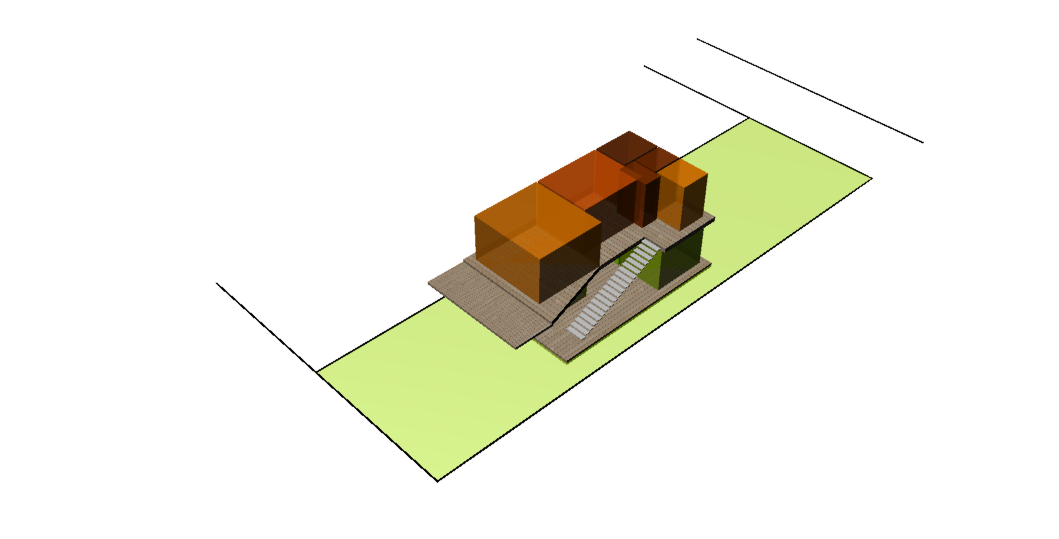
The external access and internal circulation strategy are defining factors for the dwelling layout. Does the site have one or more access options? Is there an obvious main and secondary access? Does the form of the site dictate a specific circulation strategy or layout?
For multi unit design, fire regulations, maintenance and vertical circulation are a few of many variables to be taken into account.
2. FUNCTIONAL RELATIONSHIP
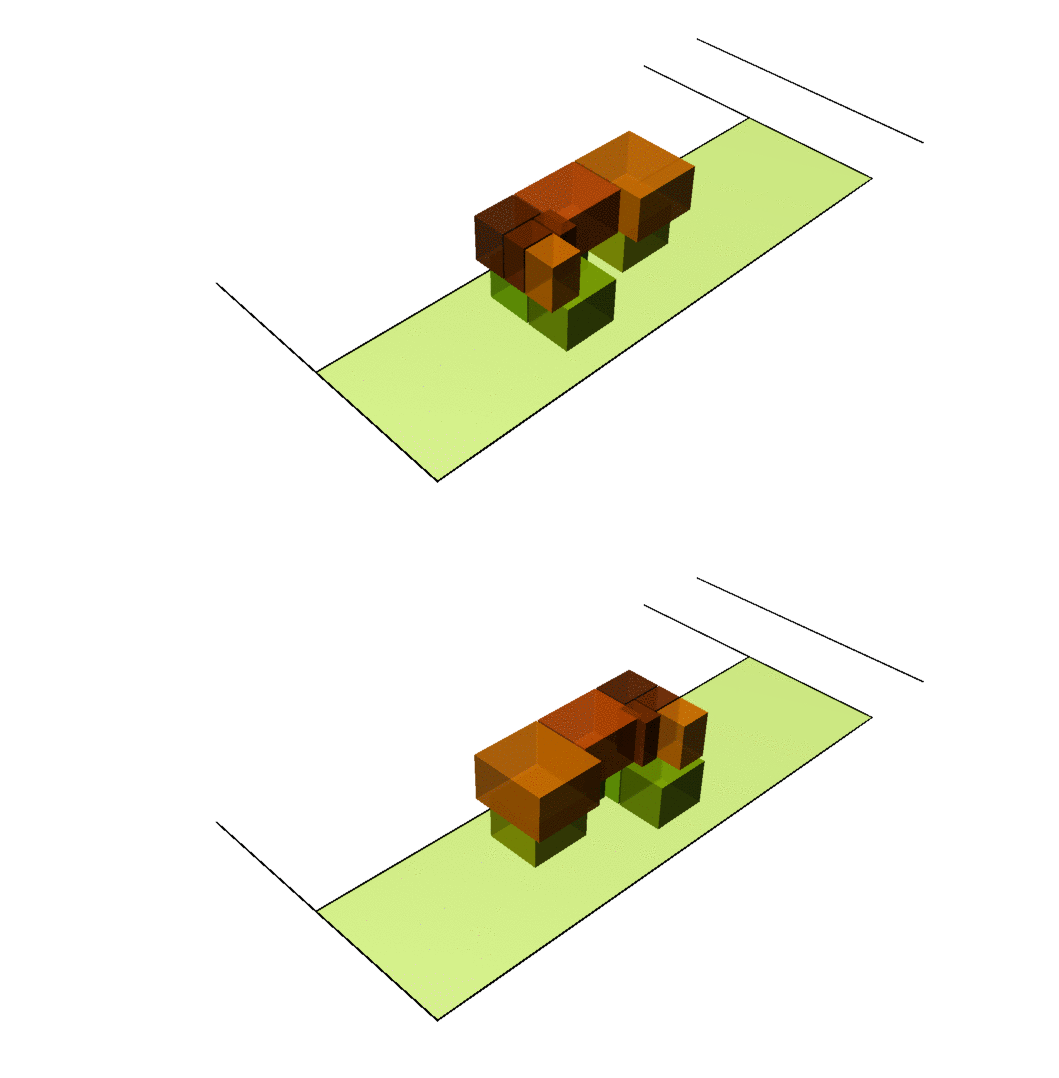
There are three basic scales of functional (or programmatic) relationships, external, multi-unit and internal.
- External functions should be considered in relations to the interior. Are there commercial or other residential programs around the dwelling, landscape functions, transport nodes etc? How are these dealt with in terms of use? A nice café will have different relationship to the dwelling than a kindergarten.
- Multi-unit dwellings will have shared and common functions such as cycle and refuse storage, common storage, parking, post and in more recent cases home-office and commercial functions.
- Internal functions are the spaces inside the dwelling. Where is the sitting room in relations to sunlight and external spaces? Where are the bedrooms in relations to escape routes?
More can be found here https://www.thorarchitects.com/10-parameters-home-design/
Morgan Rohla
Ev tasarımıyla ilgilenmeye başladığımda nelere dikkat etmem gerektiğini tam olarak bilmiyordum. Bu yazıda bahsedilen 10 temel parametre sayesinde artık çok daha bilinçli kararlar alabiliyorum. Hemen İndir seçeneğiyle sunulan rehber, özellikle yeni ev planlayanlar için oldukça faydalı. Fonksiyonellik, ışık kullanımı ve alan yerleşimi gibi önemli detayların altını çizmişler. Okurken kendimi bir iç mimar gibi hissettim. Evimin hem estetik hem de kullanışlı olması için artık nelere öncelik vereceğimi biliyorum. Bu tarz içeriklerin çoğalması gerektiğini düşünüyorum çünkü ev seçimi ya da tasarımı herkesin hayatında bir kez karşılaştığı önemli bir süreçtir.
Apr 22, 2025
Alice Billson
When planning a functional and aesthetically pleasing living space, several basic parameters in home design must be considered, such as layout efficiency, natural light flow, structural integrity, and optimal space utilization. These elements become even more critical when incorporating additions like an above-garage ADU, which requires careful attention to height restrictions, access points, and privacy for both the primary residence and the new unit. By aligning these parameters with the homeowners’ lifestyle and zoning regulations, designers can create a cohesive environment that maximizes both comfort and value.
Jul 11, 2025
Morgan Rohla
Thanks for this
Jan 8